01
AI customer service
Multilingual first-line support that answers from your own documentation, qualifies the request, and hands the high-value cases to your team.
AI-powered trade services · Ontario, Canada
WORLD WIN TRADE COMPANY is a Richmond Hill, Ontario trade company building an AI-driven service platform. We bring customer service, product discovery, quoting, order operations and analytics into one operating layer — so routine work runs itself and your team handles the decisions that matter.
What we do
Each one can stand alone or combine into a single system. We start from the workflow that costs you the most hours, not from a technology list.
01
Multilingual first-line support that answers from your own documentation, qualifies the request, and hands the high-value cases to your team.
02
An online catalogue with AI-assisted search, comparison and personalised recommendations drawn from your approved product data and documents.
03
Inbound enquiries are parsed into structured requirements, matched against authorised pricing, and routed for approval before anything is sent.
04
Documents extracted, orders structured, confirmations and reminders sent — the repetitive work that quietly consumes a week each month.
05
Enquiry, opportunity and order data turned into daily, weekly and monthly reporting — with the signals that actually change a decision.
06
Connection to your CRM, ERP, email and payment systems through documented APIs — plus the runbooks your team needs to own it afterwards.
Inside the company
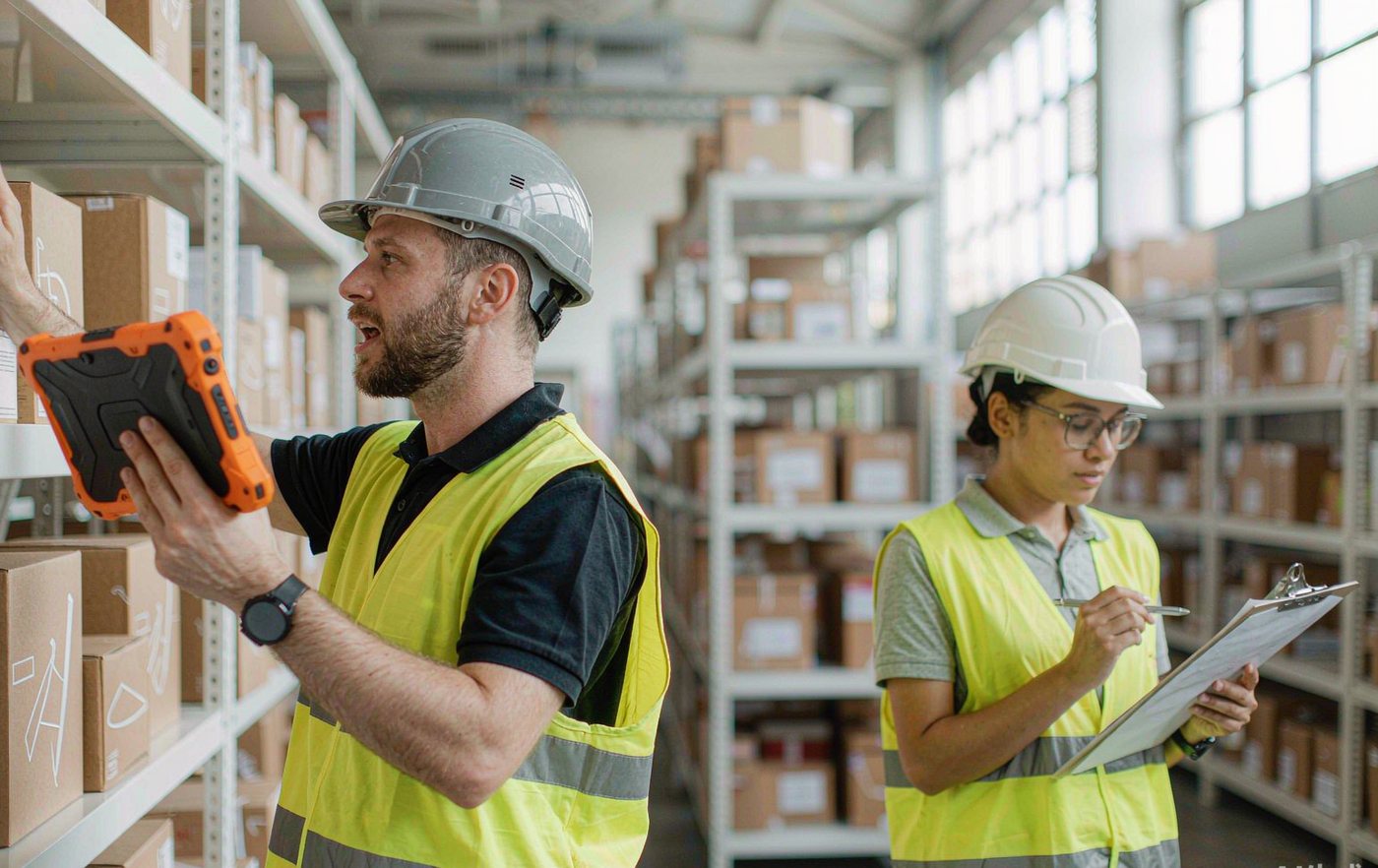
The platform we offer is the one we use. This is where enquiries, quotes and orders actually move — and where every automated workflow is tested before it goes live.
How we work
An AI system that is wrong 10% of the time is not a 90% win — it is a new review burden. We build for the accuracy your operation can actually absorb.
Delivery shape
You are never asked to commit to a full platform up front. Stage one produces something you can test against real cases.
From enquiry to running system
Timelines below are typical for a first agent or workflow. Anything larger is quoted after discovery, not before.
We map the current process, the data it depends on, and the decisions that must stay human. Output: solution architecture, interface specification and a fixed scope.
1 – 2 weeksThe core interaction is built and tested against cases from your own history. You see the failure modes early, while they are still cheap to fix.
2 – 3 weeksThe agent or application is developed, connected to your systems, and instrumented with logging, permissions and approval routing.
4 – 8 weeksSecurity, accuracy and performance are tested before general use. Rollout starts with a supervised pilot, then widens as the numbers hold.
2 – 3 weeksAdditional agents, workflows and integrations are added as usage and return justify them — not all at once on day one.
OngoingStart with one workflow
Tell us how it runs today — who does it, how often, which systems hold the data, and where it breaks. We will tell you honestly whether AI is the right answer.